

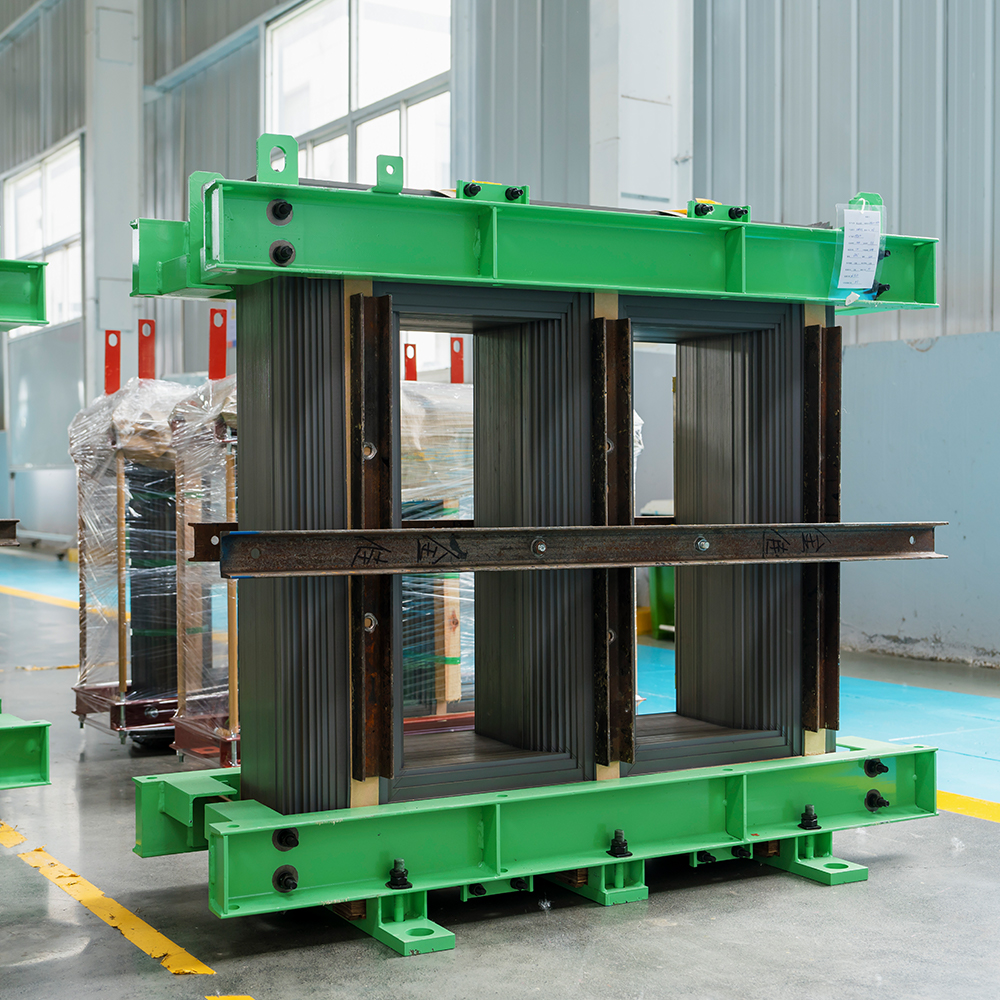

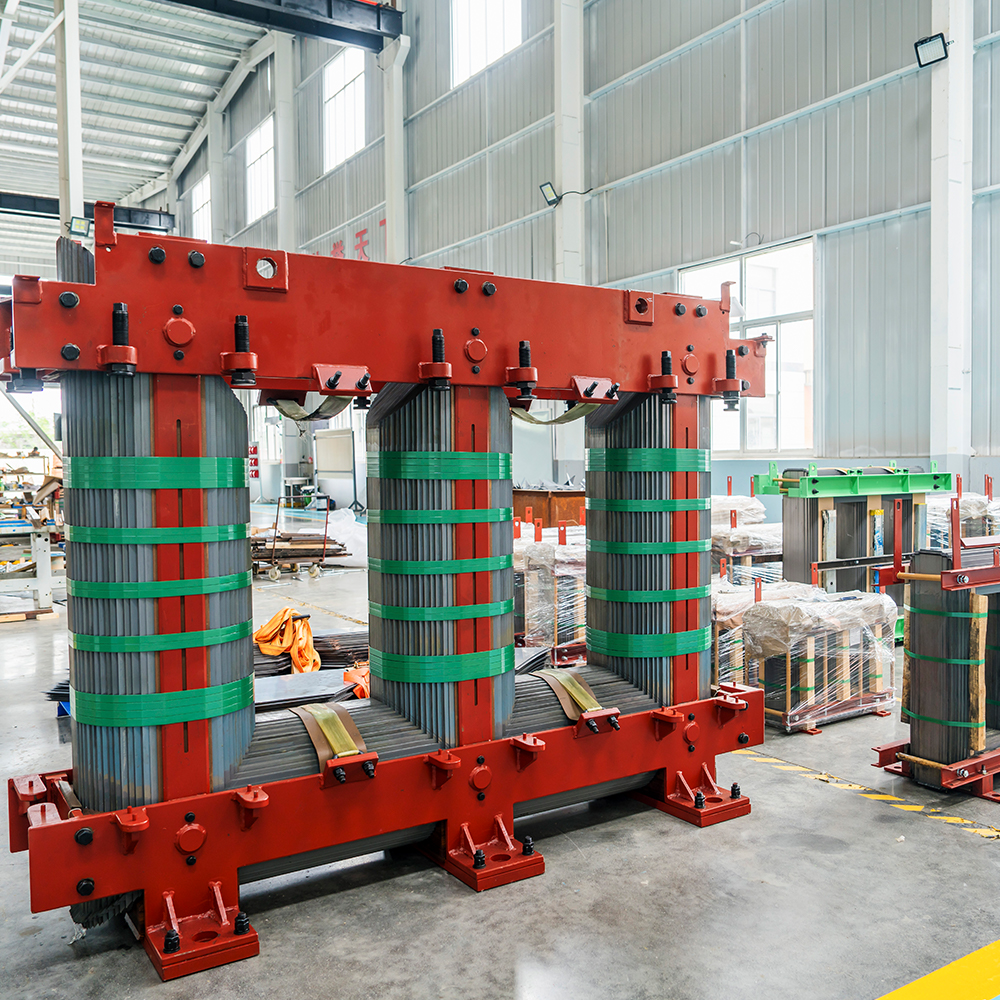
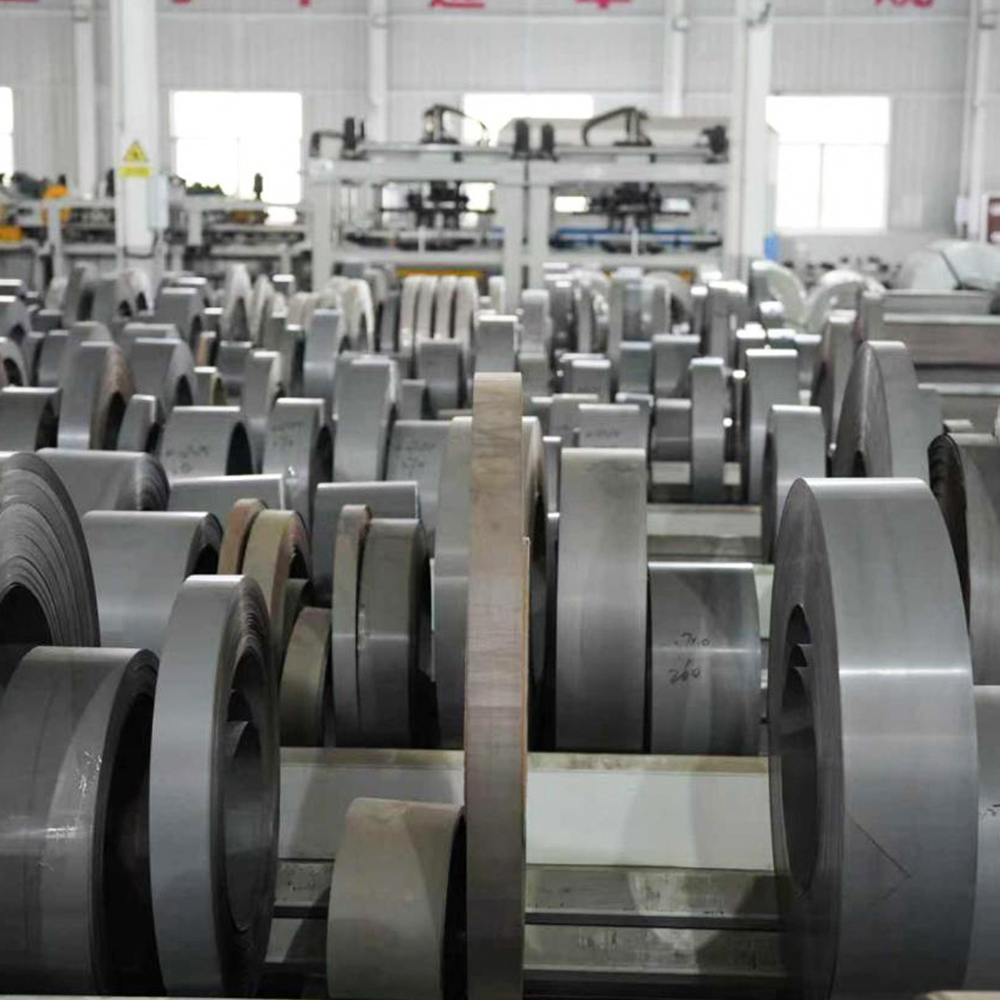
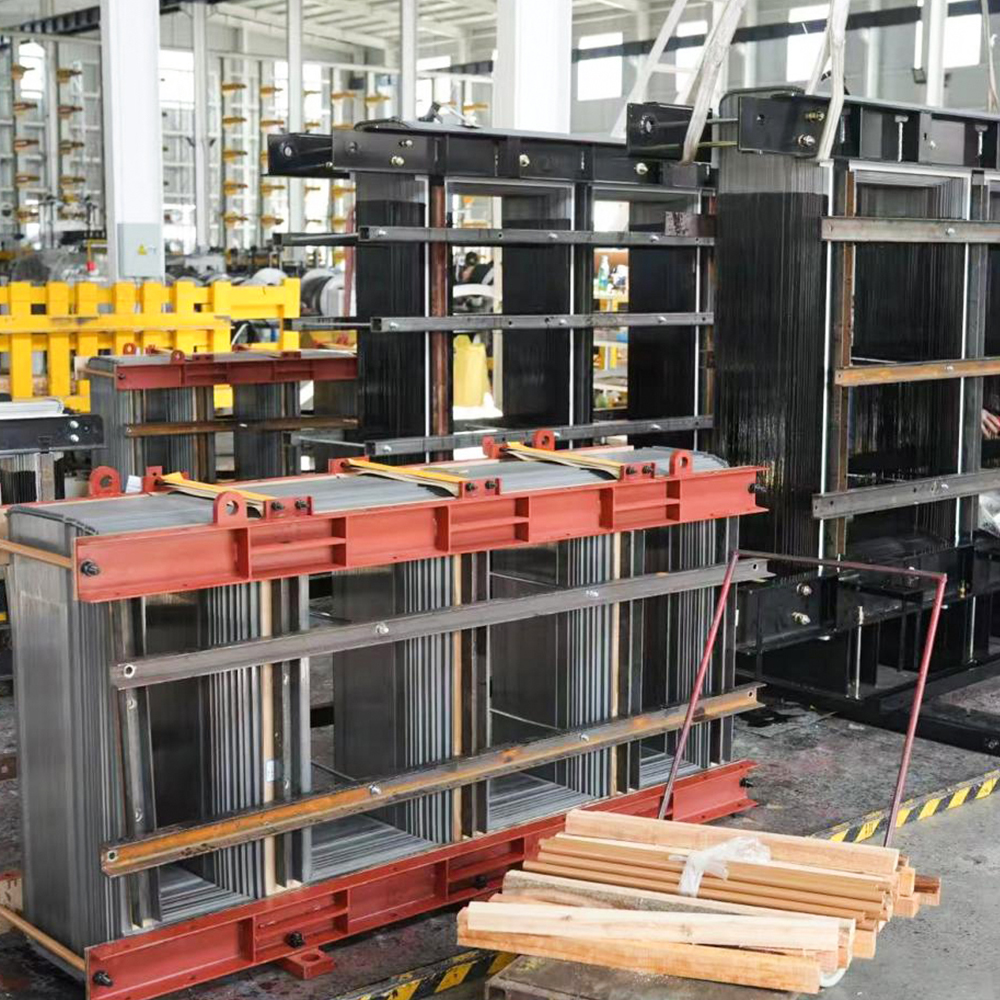
大型の電源トランスのコアは、磁束を運び、機械的なクランプ力に耐え、内部で発生する熱を遮断する必要があります。熱が局所的な領域に閉じ込められると、ホットスポットが発生します。この条件を無視すると、断熱材の劣化が早くなり、可燃性ガスが蓄積し、最終的には熱破壊が発生します。エンジニアや資産管理者にとって、大型変圧器コアのホットスポットの原因を理解することは、予期せぬ故障を防止し、変圧器の耐用...
続きを読む
変圧器コアメーカー
お問い合わせ私たちについて
Jiangsu Jingtianxia Electric Technology Co., Ltd.
Jiangsu Jingtianxia Electric Technology Co., Ltd. は、国内業界をリードする競争力のある企業であり、コア電力支持製品の研究開発、生産、供給を専門としています。当社の主要製品ポートフォリオには、変圧器コア、インテリジェント変圧器コア積層設備、コア横断切断機、インテリジェントワークショップ倉庫システム、自動化物流生産ラインが含まれます。46人以上の専門技術人材を擁し、同社は堅実な技術蓄積と成熟した生産システムを誇っています。 中国
変圧器コアメーカー および
カスタム変圧器コア工場、電力業界に焦点を当て、世界中のお客様に高品質、高精度、インテリジェントなワンストップ支援ソリューションを継続的に提供しています。
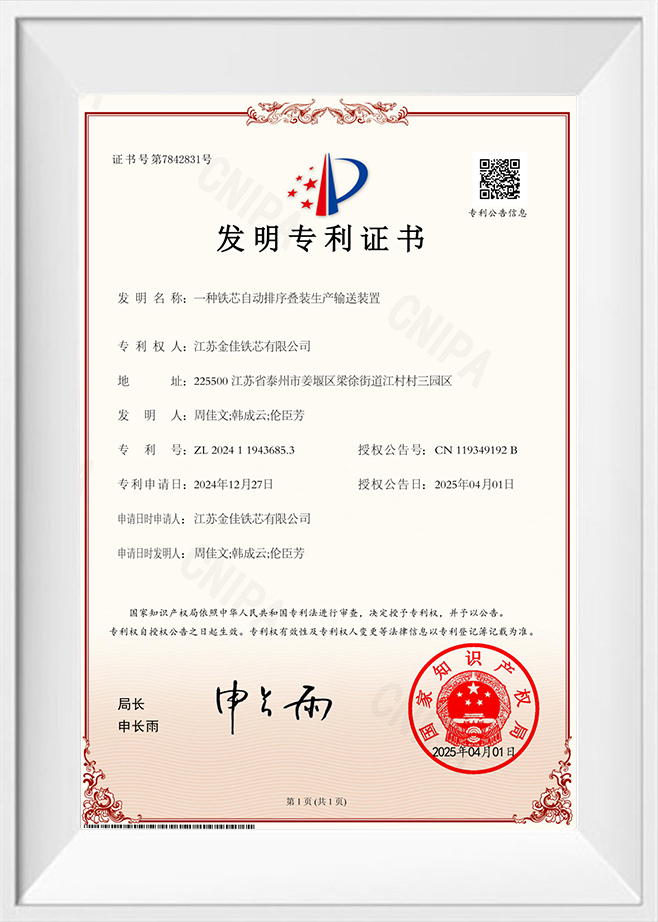
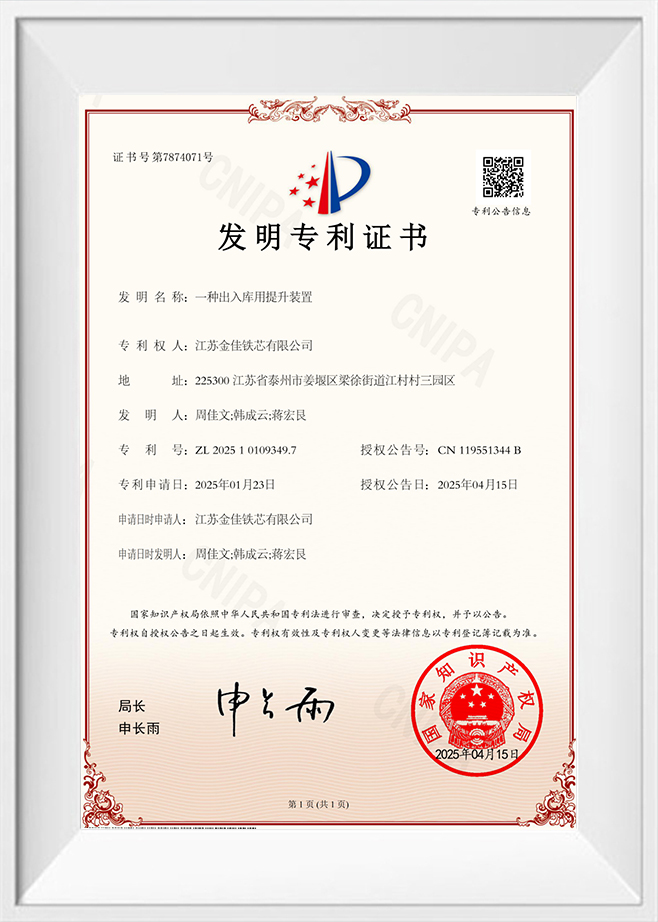
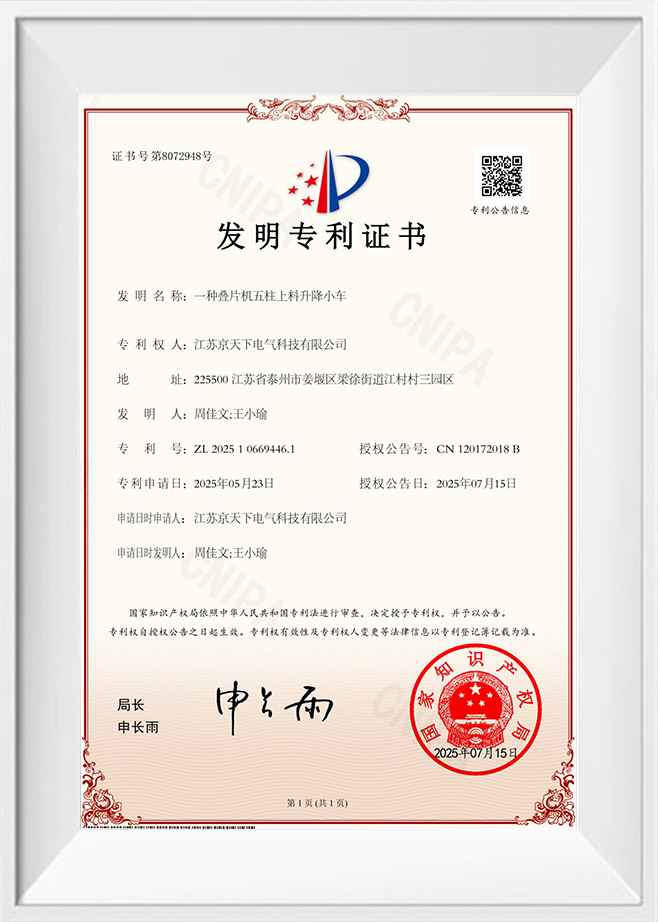
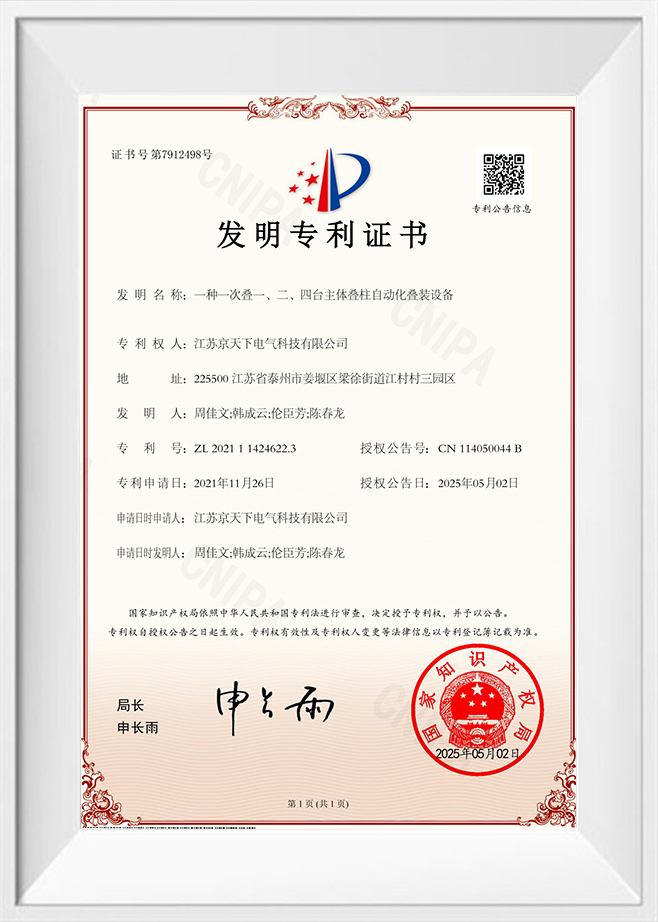
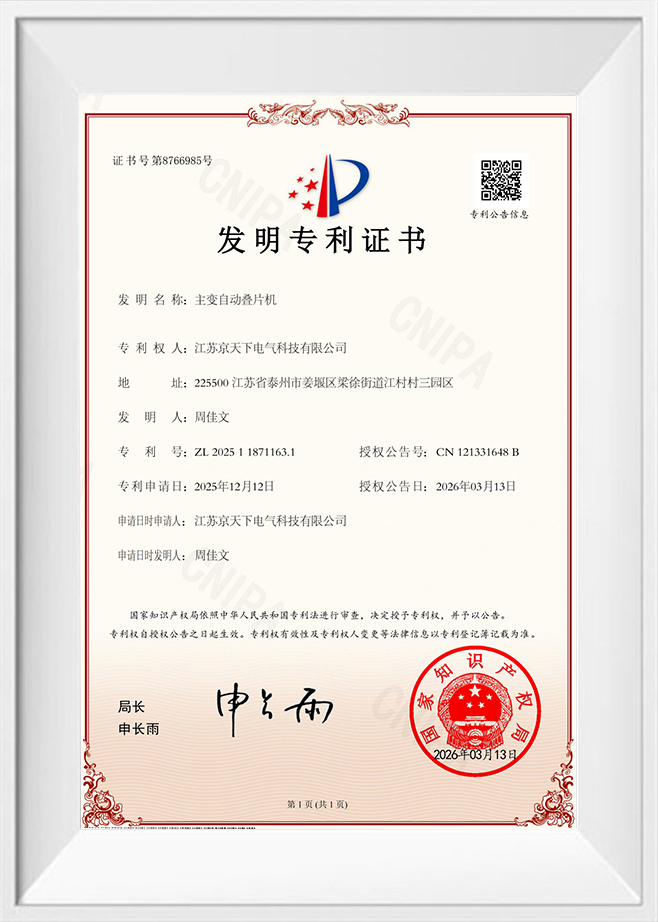
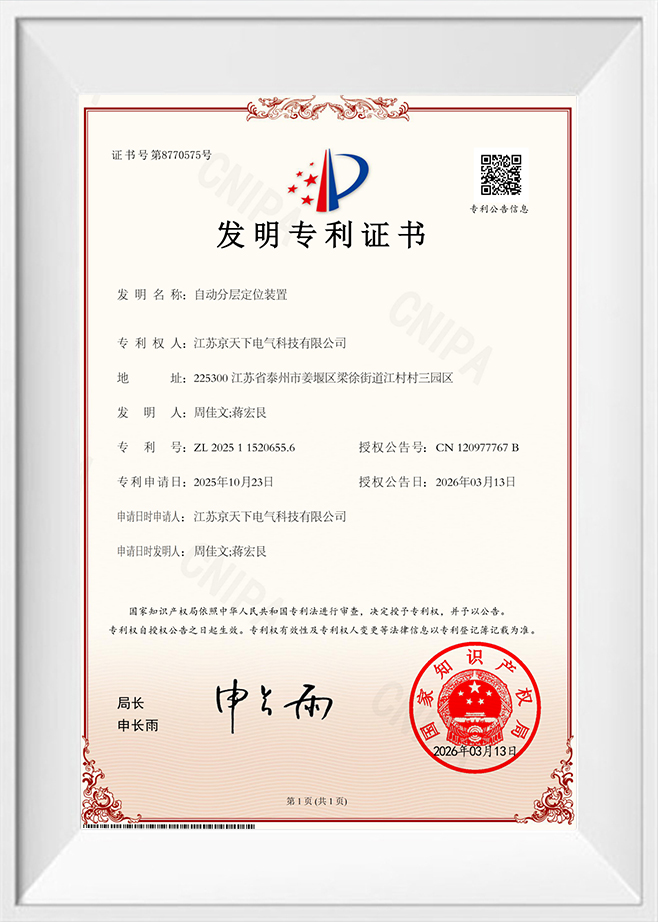
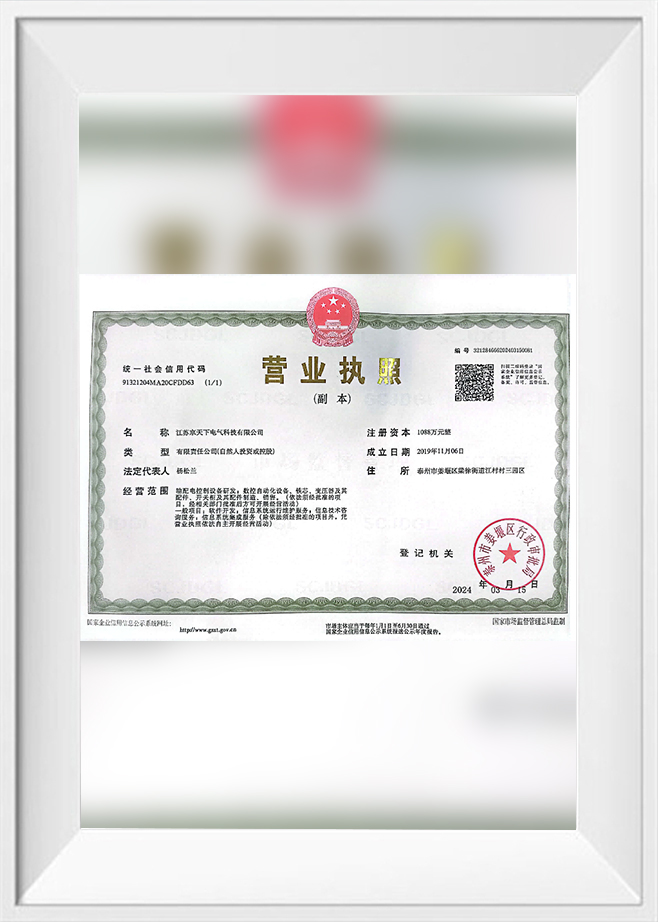
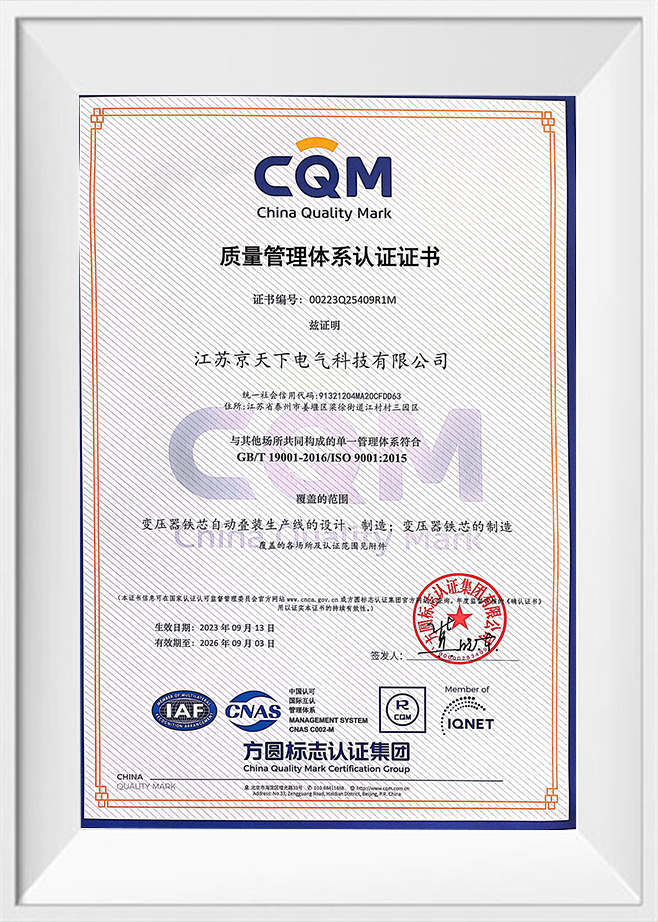
栄誉証明書
ニュース
-
-
油入変圧器と乾式変圧器のどちらを選択するかは、通常、冷却媒体(鉱物油か空気か)から始まります。しかし、より深いエンジニアリングの話は変圧器のコアに書かれています。磁気回路、絶縁システム、冷却チャネルは密接に相互接続されているため、コア段階での決定はその後のすべての仕様に反映されます。電力会社、請負業者、プラントエンジニアにとって、これらの関係を理解することは不可欠です。 コ...
続きを読む -
現在、変圧器メーカーは、カスタム コア設計、短期間の生産、ラピッド プロトタイピングに対する需要の増大に直面しています。従来のインライン スタッキング ラインは、大量のスループットを実現するために構築されていますが、コアの寸法や積層パターンが変更されると、多大な切り替え時間とプログラミングの労力が必要になります。これらの理由により、オフラインの変圧器コア スタッキング ラインは、カスタ...
続きを読む -
大型の電源トランスのコアは、何千もの薄いシリコン鋼の積層体から作られています。一枚のシートではわずかに見える偏差がスタック全体に急速に拡大するため、各積層体は厳密な公差に従って切断、位置決め、組み立てられる必要があります。従来の作業場では、中子の積み上げは熟練した作業者の手と目に頼っていました。しかし、チームがどれほど経験豊富であっても、手動での取り扱いでは、アライメント、関節の位置、...
続きを読む
メッセージフィードバック
変圧器コア 業界知識
What is the purpose of a transformer core?
At the heart of every electrical power system lies a seemingly simple yet profoundly critical component: the magnetic circuit that channels and confines electromagnetic flux. When engineers and procurement specialists ask “what is the purpose of a transformer core?”, the answer extends far beyond basic physics. The transformer cores serve as the central nervous system of voltage conversion, enabling efficient energy transfer from primary to secondary windings while minimizing parasitic losses. Without a well-designed magnetic pathway, modern alternating-current networks would suffer from prohibitive inefficiencies, excessive heating, and unstable voltage regulation. This article provides a comprehensive, application-oriented examination of transformer cores, their material classifications, structural variants, and the critical role they play in contemporary power infrastructure—from utility-scale substations to intelligent factory floors.
1. Core-Type Transformer Cores: The Conventional Workhorse
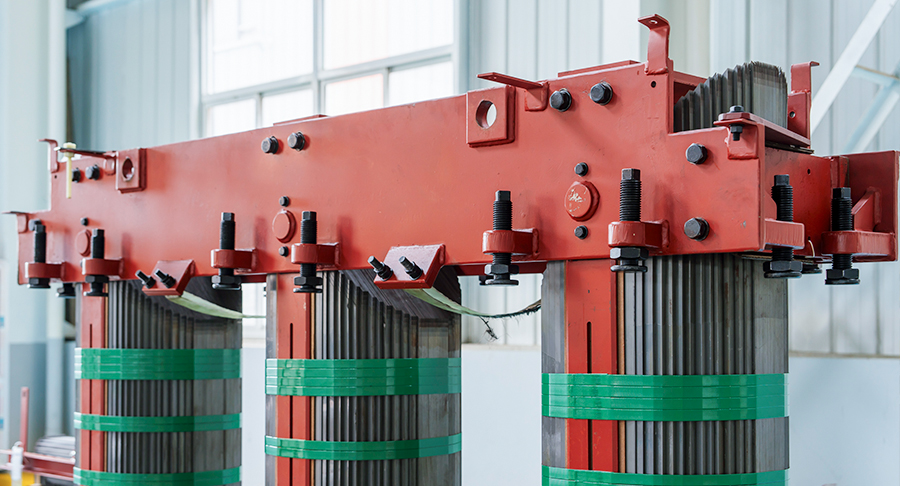
The core-type configuration represents the most widely deployed architecture in medium- and large-power applications. In this design, the magnetic circuit consists of two vertical limbs (legs) connected by upper and lower yokes, with the primary and secondary windings wrapped around each limb. The fundamental purpose of these transformer cores is to provide a low-reluctance path for magnetic flux, ensuring that the vast majority of the magnetomotive force generated by the primary winding links with the secondary winding. Core-type transformer cores are typically constructed from grain-oriented silicon steel (CRGO) laminations, which exhibit exceptional magnetic permeability along the rolling direction, directly reducing excitation current and no-load losses.
From a technical standpoint, core-type designs offer distinct advantages in terms of winding accessibility and cooling efficiency. Because the windings are distributed over two separate limbs, heat dissipation is more uniform, allowing higher power densities without exceeding thermal limits. Typical applications include step-up transformers in renewable energy farms, industrial distribution transformers rated from 500 kVA to 50 MVA, and traction transformers for railway systems. Compared to shell-type alternatives, core-type transformer cores demonstrate superior short-circuit withstand capability due to the symmetric flux distribution, which minimizes mechanical stress on the windings during fault conditions.
Our comprehensive range of transformer cores covers both standard and custom core-type geometries, with lamination thicknesses ranging from 0.23 mm to 0.35 mm to balance loss performance and manufacturability. Jiangsu Jingtianxia Electric Technology Co., Ltd. has refined its core-type production line to achieve stacking factors exceeding 97%, ensuring that the effective magnetic cross-section closely matches the theoretical design values. With more than 46 professional technical talents on staff, the company applies advanced laser-scribing techniques to reduce domain-refinement losses, delivering cores that consistently meet or exceed IEC and IEEE standards.
Key Specifications for Core-Type Designs
- Typical power range: 500 kVA – 50 MVA
- Flux density: 1.5 – 1.7 T (CRGO material)
- No-load loss reduction: 15–20% lower than conventional hot-rolled cores
- Cooling method: Natural oil/air or forced oil circulation
- Preferred for: Distribution networks, offshore wind farms, heavy industry
2. Shell-Type Transformer Cores: Maximizing Flux Containment
In contrast to the core-type layout, shell-type transformer cores surround the windings with magnetic material on all sides, effectively "enclosing" the coils within the iron circuit. This configuration features a central limb carrying the main flux, with two return paths (outer limbs) that provide exceptionally low reluctance. The primary purpose remains identical—to guide and concentrate magnetic flux—but the shell-type geometry achieves significantly lower leakage reactance and better voltage regulation under heavy loading. These transformer cores are particularly valued in high-current, low-voltage applications such as furnace transformers, rectifier transformers for electrolysis plants, and large-scale UPS systems.
The structural integrity of shell-type designs allows for greater mechanical strength, making them suitable for installations where short-circuit forces are extreme. Moreover, because the flux divides symmetrically between the two outer limbs, the net magnetic imbalance is minimized, reducing audible noise and stray losses in adjacent metallic structures. However, this performance comes at the cost of increased material consumption and more complex lamination stacking, which raises the overall manufacturing expense. For mission-critical applications where reliability and voltage stability are paramount, shell-type transformer cores remain the preferred choice despite the higher upfront investment.
Jiangsu Jingtianxia Electric Technology Co., Ltd. addresses these manufacturing challenges through its proprietary automated stacking equipment and precision cutting systems. The company's shell-type core production utilizes step-lap joints and mitered corners to reduce joint reluctance, achieving core losses that are 8–12% lower than conventional butt-lap constructions. By integrating intelligent workshop warehousing systems with real-time quality monitoring, Jiangsu Jingtianxia ensures that every shell-type core leaves the factory with consistent permeability and mechanical tolerance, supporting global clients in industries ranging from aluminum smelting to data center backup power.
Distinctive Features of Shell-Type Cores
- Superior short-circuit strength due to fully enclosed winding support
- Lower leakage reactance (typically 5–8% compared to 10–15% for core-type)
- Reduced stray magnetic fields, enabling closer spacing between phases
- Higher material cost but longer service life in harsh operating environments
- Commonly specified for electrochemical processes and heavy traction drives
3. Amorphous Metal Transformer Cores: The Next-Generation Efficiency Frontier
Amorphous metal alloys, often referred to as metallic glasses, represent a paradigm shift in magnetic material engineering. Unlike conventional crystalline silicon steels, these transformer cores are produced by rapid solidification (quenching) from the molten state, resulting in a non-crystalline atomic structure that exhibits extremely low coercivity and virtually zero magnetostriction. The primary purpose of using amorphous metal for transformer cores is to drastically reduce no-load losses—typically by 60–70% compared to premium CRGO steels—while maintaining comparable flux density levels (around 1.35–1.45 T). This makes amorphous cores exceptionally attractive for distribution transformers operating under light-load conditions for extended periods, such as in residential grids and rural electrification projects.
From a manufacturing perspective, amorphous metal presents unique challenges: the material is extremely thin (approximately 0.025 mm) and notoriously brittle, requiring specialized cutting and stacking equipment to avoid micro-fractures that degrade magnetic performance. Furthermore, the saturation flux density is lower than CRGO, necessitating larger core cross-sections for the same power rating. Despite these drawbacks, the life-cycle cost savings from reduced energy losses often outweigh the initial premium, especially in regions with high electricity tariffs or stringent carbon-reduction mandates. Advanced transformer cores made from amorphous alloys are increasingly specified for green building projects, electric vehicle charging hubs, and smart microgrids where every watt-hour counts.
Jiangsu Jingtianxia Electric Technology Co., Ltd. has developed dedicated processing lines for amorphous metal cores, incorporating low-stress shearing and annealing protocols that preserve the material's unique magnetic properties. The company's technical team, comprising over 46 R&D specialists, collaborates with material scientists to optimize core geometry for minimum joint loss, achieving full-load efficiencies above 99.2% in prototype units. By combining amorphous core technology with intelligent transverse cutting machines and automated logistics, Jiangsu Jingtianxia offers a turnkey solution that bridges high-efficiency design with industrial-scale production, serving clients who demand both environmental responsibility and operational excellence.
Application Advantages of Amorphous Cores
- No-load loss reduction: up to 70% vs. conventional CRGO
- Ideal for cyclic loading profiles (e.g., overnight standby, intermittent operation)
- Lower operating temperature due to reduced heat generation
- Extended transformer life (reduced thermal aging of insulation)
- Preferred by utilities pursuing net-zero carbon targets
Comparative Performance Matrix
| Parameter | Core-Type (CRGO) | Shell-Type (CRGO) | Amorphous Metal |
| Typical flux density (T) | 1.65 – 1.72 | 1.60 – 1.70 | 1.35 – 1.42 |
| Relative no-load loss (baseline = 100%) | 100% | 95–105% | 30–40% |
| Leakage reactance (p.u.) | 0.10 – 0.15 | 0.05 – 0.08 | 0.12 – 0.18 |
| Relative material cost | 1.0x | 1.3 – 1.5x | 2.0 – 2.5x |
| Preferred power rating range | 0.5 – 50 MVA | 10 – 200 MVA | 0.1 – 10 MVA |
4. Step-Lap and Mitered Joint Cores: Precision Engineering for Loss Minimization
Beyond the macroscopic classification of core shapes and materials, the internal joint geometry plays a decisive role in determining overall core performance. Step-lap joints, also known as staggered or interleaved joints, arrange successive lamination layers with offset overlaps, effectively distributing the air-gap reluctance across multiple interfaces. This technique reduces the localized flux saturation that occurs at conventional butt joints, lowering both no-load losses and magnetizing current. Mitered joints, on the other hand, employ precision-angled cuts (typically 45 degrees) at the corner intersections of the yoke and limbs, aligning the rolling direction of the grain-oriented steel with the flux path to minimize the reluctance at each bend. Advanced transformer cores integrate both step-lap and mitered features to achieve loss reductions of 10–15% relative to simple butt-lap assemblies.
The manufacturing precision required for these joint types demands high-end transverse cutting machines with CNC-controlled blade positioning and real-time thickness measurement. Jiangsu Jingtianxia Electric Technology Co., Ltd. has invested heavily in automated core stacking equipment that maintains micron-level alignment across hundreds of lamination layers, ensuring consistent air-gap distribution and repeatable electromagnetic performance. The company's step-lap cores are widely deployed in high-efficiency distribution transformers supplied to European and North American utilities, where strict Eco-design regulations mandate maximum loss limits. By combining mitered corner cutting with automated stacking, Jiangsu Jingtianxia achieves a stacking factor of 97.5% for CRGO cores, translating into tangible energy savings over the transformer's 30-year service life.
Furthermore, the company's intelligent workshop warehousing system tracks each lamination batch through the entire production chain—from slitting and cutting to annealing and final inspection—ensuring full traceability and compliance with client-specific quality plans. This vertical integration, supported by automated logistics production lines, allows Jiangsu Jingtianxia to offer rapid prototyping and short lead times for custom core geometries, a critical advantage for projects with tight construction schedules.
Frequently Asked Questions
Q1: What is the primary difference between core-type and shell-type transformer cores?
The main distinction lies in the winding-to-core arrangement. In core-type transformer cores, the windings encircle the magnetic limbs, whereas in shell-type designs, the magnetic circuit surrounds the windings on multiple sides. Core-type offers better cooling and lower cost, while shell-type provides lower leakage reactance and superior short-circuit strength for high-current applications.
Q2: How do amorphous metal transformer cores reduce energy losses compared to conventional CRGO cores?
Amorphous alloys lack a crystalline grain structure, which virtually eliminates magnetic anisotropy and reduces hysteresis losses by 60–70%. Additionally, their higher electrical resistivity (approximately three times that of CRGO) minimizes eddy current losses, making them the most energy-efficient option for distribution transformers with low load factors.
Q3: What role does Jiangsu Jingtianxia Electric Technology Co., Ltd. play in the transformer core supply chain?
Jiangsu Jingtianxia is a vertically integrated manufacturer that designs, produces, and delivers precision transformer cores across all major categories. The company combines over 46 technical experts with automated stacking, cutting, and warehousing systems to offer one-stop solutions—from CRGO step-lap cores to amorphous metal assemblies—backed by rigorous quality control and global logistics support.
Q4: Why is the joint design (step-lap or mitered) critical for transformer core performance?
Joint geometry directly affects the magnetic reluctance at the yoke-limb interfaces. Step-lap and mitered joints reduce localized saturation and flux fringing, which lowers no-load losses and magnetizing current by 10–15%. For high-efficiency transformers, these precision joint designs are essential to meet stringent energy regulations and achieve long-term cost savings.


著作権© Jiangsu Jingtianxia Electric Technology Co., Ltd. 全著作権所有。 変圧器コア支援ソリューション
